Grease reaches surfaces nightly cleaning misses
It travels further than most operators expect: walls, ceilings, vent hoods, and the tops of equipment all accumulate film that becomes both a hygiene issue and a fire risk.
Serving Santa Barbara, California & surrounding areas
Mon–Fri 8am–6pm · Sat 9am–2pm
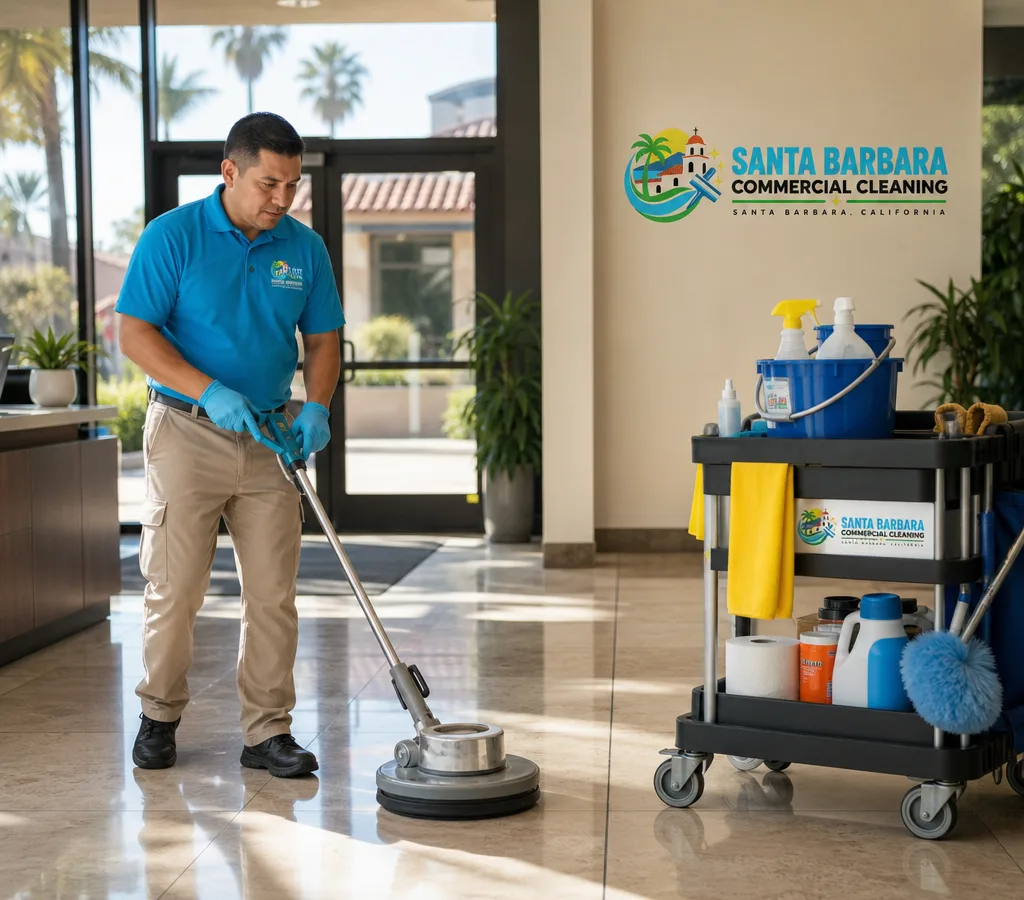
Kitchens, dining rooms and back of house · Santa Barbara
Grease, odor, and restroom complaints are the issues that cost restaurants both scores and repeat customers. We clean to a health-inspection standard rather than a visual one.
Inspection-standard scope · Overnight service · Grease and odor specialists
What this industry deals with
It travels further than most operators expect: walls, ceilings, vent hoods, and the tops of equipment all accumulate film that becomes both a hygiene issue and a fire risk.
Scores are public, and a poor one follows the business online long after the issue is corrected.
Customers cannot see your kitchen, so they judge it by the restroom. A bad one reads as a bad kitchen.
Grease-laden kitchen floors need degreasing rather than mopping, which otherwise just spreads a thin film.
Fryer oil, drains, and grease traps push smells into the customer area where they affect appetite and reviews.
A late close and an early prep start leaves a narrow overnight slot that has to be used efficiently.
Our approach
Restaurant cleaning is judged by a health inspector and by every customer who visits the restroom. We scope the work around both, and we schedule it into the narrow window between close and prep.
Walls, equipment exteriors, and hood surrounds are degreased on a schedule so buildup never reaches the point of a violation.
Kitchen floors and drains are treated to cut grease film, which addresses both slip risk and odor at the source.
Your restrooms are customer-facing, so they are cleaned and restocked to the standard customers use to judge the kitchen.
Dining room floors, seating, glass, and high-touch surfaces reset before the room opens.
Floor drains and grease-prone areas treated so smells are removed rather than covered.
Crews work between close and prep, so cleaning never takes a table out of service.
A written record of what was cleaned and when, which is useful evidence during an inspection.
Where to start
Reaches the grease and buildup behind and above equipment that nightly cleaning is not scoped to touch.
Degreasing and traction-focused treatment for kitchen tile and grout where slip risk is highest.
The recurring front-of-house and back-of-house routine that keeps the standard between deep cleans.
Nightly coverage for restrooms, trash, and dining areas so the room is ready before prep starts.
Street-facing and patio glass is in every diner's sightline for the whole meal.
Entries, patios, and dumpster areas where grease and food waste create odor and pest attraction.
What you actually get
01
When the scope matches what inspectors check, an unannounced visit stops being an event.
02
The single most cited complaint in restaurant reviews is handled on every visit.
03
Degreased floors materially reduce the most common accident in a restaurant.
04
Treating odor at source protects the customer experience you are actually selling.
05
Overnight scheduling means no table and no prep time is ever lost to cleaning.
How we run it
Five stages, adapted to the specific operating realities of this industry.
We walk both sides of the operation, identify grease accumulation, and note every area an inspector would check.
A written scope splitting nightly tasks from the periodic degreasing cycle, sized to your close and prep times.
Your assigned team is briefed on food-service requirements, chemical handling, and your specific layout.
Supervisor checks work to the areas that carry inspection weight, not just visible surfaces.
The scope adjusts with menu changes, seasonal volume, and anything flagged at your last inspection.
Trust and experience
We clean restaurants, cafes, tasting rooms, and bars across Santa Barbara, including kitchens that run late and reopen early. Scopes are built around the areas inspectors actually check.
Liability coverage carried on every job, with certificates available on request.
Bonding in place for work inside your premises, including after-hours access.
Every assigned crew member is screened before they set foot in your facility.
Written scopes and supervisor inspections, so the standard does not depend on who shows up.
Planning your service
Pricing is built around your facility rather than a rate card. Two businesses in this industry can look similar on paper and generate very different cleaning workloads.
After the walkthrough you receive a written scope and a firm quote, so you can compare vendors on identical terms.
Line length, fryer count, and hood configuration drive the degreasing workload more than dining room size.
Covers per night and how late you close determine both soil level and the cleaning window available.
Dining area, bar, patio, and restroom count all add scope to the nightly routine.
How often the deep degreasing cycle runs alongside the nightly service.
Transparent pricing · No hidden fees · No long-term contracts required
Straight answers before you schedule
Yes, and it is how most restaurants are scheduled. Crews work between close and prep so no service time is lost. We confirm your actual close and first-arrival times during the walkthrough, since the window is usually tighter than it looks on paper.
We clean hood exteriors, surrounds, and accessible surfaces as part of kitchen degreasing. Full exhaust duct and fan cleaning to NFPA 96 standard requires a certified hood-cleaning contractor, and we will tell you clearly where that line falls for your setup.
It helps considerably, because the scope is built around the areas inspectors check: floors and drains, wall and equipment surfaces, restrooms, and general grease accumulation. We also keep written records of what was cleaned and when, which is useful evidence during a visit.
Crews are briefed on food-contact surfaces, chemical separation, and safe storage before their first shift. Food-contact surfaces and food-safe sanitizing remain your kitchen staff's responsibility under your food safety plan, and our scope is written to complement that rather than overlap it.
Most restaurants need the deep degreasing cycle quarterly, alongside the nightly routine. High-volume kitchens and anything running a heavy fry program often need it more frequently. We set the interval at assessment based on actual grease accumulation.
Request a quote
Tell us about your facility and we will come back with a written scope built around how it actually operates, plus a firm price.
Prefer to talk? Call (805) 695-3360.
115 W Micheltorena St Unit 5, Santa Barbara, CA 93101
Free assessment • Fast response • No obligation
We will walk the kitchen and front of house, then build a scope around what inspectors and customers actually notice.
Free assessment • Fast response • No obligation